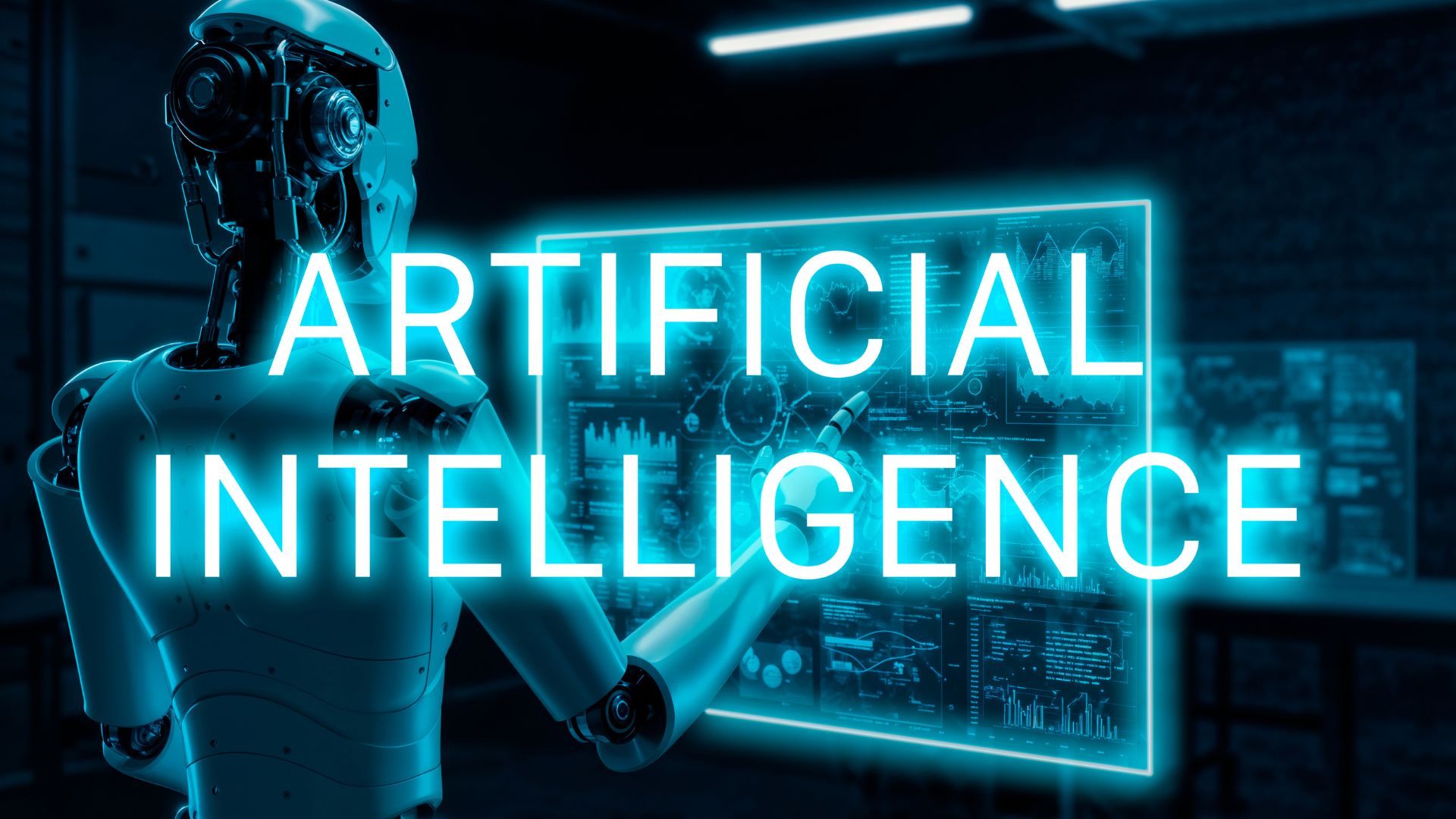
Technology is approaching a new era of intelligence-driven change, and Artificial Intelligence is the hub of this change. By 2026, AI will no longer be a futuristic idea or testing technology anymore; it will be an instrument of strategic value that will promote efficiency, innovation, and competitiveness in all industries.
Modern businesses are now using intelligent systems to automate business processes, analyze large amounts of data, manage customer experiences, and facilitate decision-making. The difference between 2026 and the past is the maturity of AI solutions. Organizations are steadfastly evolving beyond mere adoption to responsible, scalable, and fully integrated AI strategies.
At Next Gen Tech Labs, we work closely with forward-thinking enterprises to help them prepare for the next era of AI-driven growth. This blog explores the most important Artificial Intelligence trends shaping 2026, how AI is evolving, and what businesses must do to stay ahead.
How Artificial Intelligence Is Evolving in 2026
Artificial Intelligence has evolved swiftly and radically. The initial AI models were highly dependent on rules and constrained datasets. With time, the development of machine learning, neural networks, and data processing allowed AI to identify patterns, keep learning, and become more efficient without human intervention.
By 2026, Artificial Intelligence will have reached a level where systems can understand the context, handle a variety of data, and adjust to the complexity of the real world. These smart systems are not restricted to single tasks anymore; they are integrated throughout the whole business process.
Through this evolution, organizations can address complex problems more quickly and make data-driven decisions with certainty, as well as create new opportunities that did not exist before.
Generative AI Driving Content, Code, and Creativity
The emergence of generative AI can be listed among the most powerful shifts that will shape 2026. These systems are also able to generate text, images, videos, software code, and synthetic data with staggering accuracy using advanced Artificial Intelligence models.
Organizations are applying generative AI to create and design content faster, automate documents, support developers, and improve the design process. Individualized campaigns are formed by marketing teams, and engineering teams have a code assistant based on AI to enhance productivity.
Reliability is what will make generative Artificial Intelligence more useful in 2026. Companies are implementing personalized models, which are trained on company information, and the results are precise, safe, and match corporate objectives.
Trust, Transparency, and Explainable AI
Trust has become a priority as Artificial Intelligence gains power in making critical decisions. AI-driven decisions can have a direct impact on the lives of people in the healthcare, financial, and recruitment sectors, which is why transparency is crucial.
Explainable AI helps organizations to learn how the Artificial Intelligence systems make a decision, what factors can impact the results, and when there are possible risks. This transparency assists in minimizing bias, enhancing accountability, and addressing regulatory standards.
The performance is no longer sufficient to build trust in 2026. Long-term success is characterized by ethical use of data, responsible use of AI, and transparent use of AI.
Intelligent Automation at an Enterprise Scale
Automation has long since become more than just a simple execution of tasks. By 2026, Artificial Intelligence can be used to intelligently automate the whole business ecosystem as opposed to a single process.
AI-based automation is currently implemented in organizations to optimize supply chains, finance operations, identify fraud, and provide customer services. These are systems that are constantly learning, and as time goes by, they become efficient and accurate.
The implementation of Artificial Intelligence in the fundamental operations of a company makes it flexible, cost-effective, and resilient to ever-evolving markets.
Human-Centered Artificial Intelligence and Collaboration
Although automation is increasing, it is clear that in 2026, the emphasis of Artificial Intelligence lies in the human factor. Instead of substituting human beings, AI will be used to complement human potential and help make smarter choices.
In industries, professionals use the insights provided by AI to analyze the data, predict the outcome, and decrease repetitive workloads. Such cooperation between a human and Artificial Intelligence enables teams to concentrate on creativity, strategy, and innovation.
At Next Gen Tech Labs, we believe the future belongs to organizations that treat AI as a collaborative partner—not a replacement for human expertise.
Strengthening Cybersecurity with Artificial Intelligence
The level of cyber threats is increasing, and the conventional methods of security are no longer adequate. Artificial Intelligence is crucial in protecting online infrastructure in 2026.
AI-driven security systems are able to track what is going on in the network in real-time, spot abnormalities, and react to threats before they cause any harm. These smart defenses evolve constantly, based on new patterns of attack and vulnerability.
The AIs are also used to assist privacy-oriented technologies that ensure sensitive information security without violating international standards. With the rise of digital ecosystems, cybersecurity powered by AI becomes a necessity in order to promote trust and stability.
Edge AI and Real-Time Intelligence
Artificial Intelligence and edge computing are changing the way decision-making and data processing are done. Rather than transmitting all information to centralized cloud systems, AI models are being deployed nearer to the source, on devices, sensors, and local servers.
This will facilitate quicker response, less latency, and dependability. Edge-based Artificial Intelligence is useful in such applications as autonomous vehicles, smart manufacturing, healthcare monitoring, and smart cities.
Data processing and analysis on a local scale enables organizations to obtain real-time information and control operational expenses and reliance on the centralized infrastructure.
Industry-Specific AI Solutions
There is no longer a need to use generic AI tools to satisfy the complex business demands. Organizations are moving towards industry-specific Artificial Intelligence solutions in 2026, based on their unique challenges.
AI is applied in medical imaging and diagnostics by healthcare providers. Predictive analytics is used in risk management in financial institutions. Retailers use AI-based personalization engines to improve customer experiences.
These purpose-built AI systems are more accurate, implement faster, and offer more business value than a one-size-fits-all solution.
Governance, Compliance, and Responsible AI Adoption
The increase in AI use is accompanied by an increase in regulatory control. Governments and international bodies are also coming up with systems to make sure that Artificial Intelligence is built and deployed in a responsible manner.
By 2026, the companies will be expected to be fair, transparent, and accountable in their AI systems. The good governance policies facilitate risk management in organizations as well as facilitate innovation.
Responsible AI is no longer a legal obligation but one of the core components of establishing trust with customers, partners, and stakeholders.
Preparing Businesses for the Future of Artificial Intelligence
In order to live and be competitive in an AI-driven world, organizations have to be strategic:
- Establish effective data foundations to enhance Artificial Intelligence.
- Invest in AI and human capital training.
- Value transparent AI practices and ethics.
- Introduce AI into the long-term business strategies.
Preparation today ensures sustainable growth and long-term success with Artificial Intelligence.
Conclusion
Maturity, responsibility, and impact define the future of the Artificial Intelligence landscape in 2026. AI is no longer an experiment; it has become a necessity for contemporary business strategy. Intelligent automation and generative models, as well as cybersecurity and edge computing, are all part of the transformation of how organizations work and compete through AI.
Companies that embrace AI thoughtfully will unlock new levels of efficiency, innovation, and resilience. At Next Gen Tech Labs, we help businesses navigate this evolving ecosystem and harness the true potential of Artificial Intelligence—not just for today, but for the future.
The next chapter of AI is about collaboration, trust, and meaningful progress—and it has already begun.