
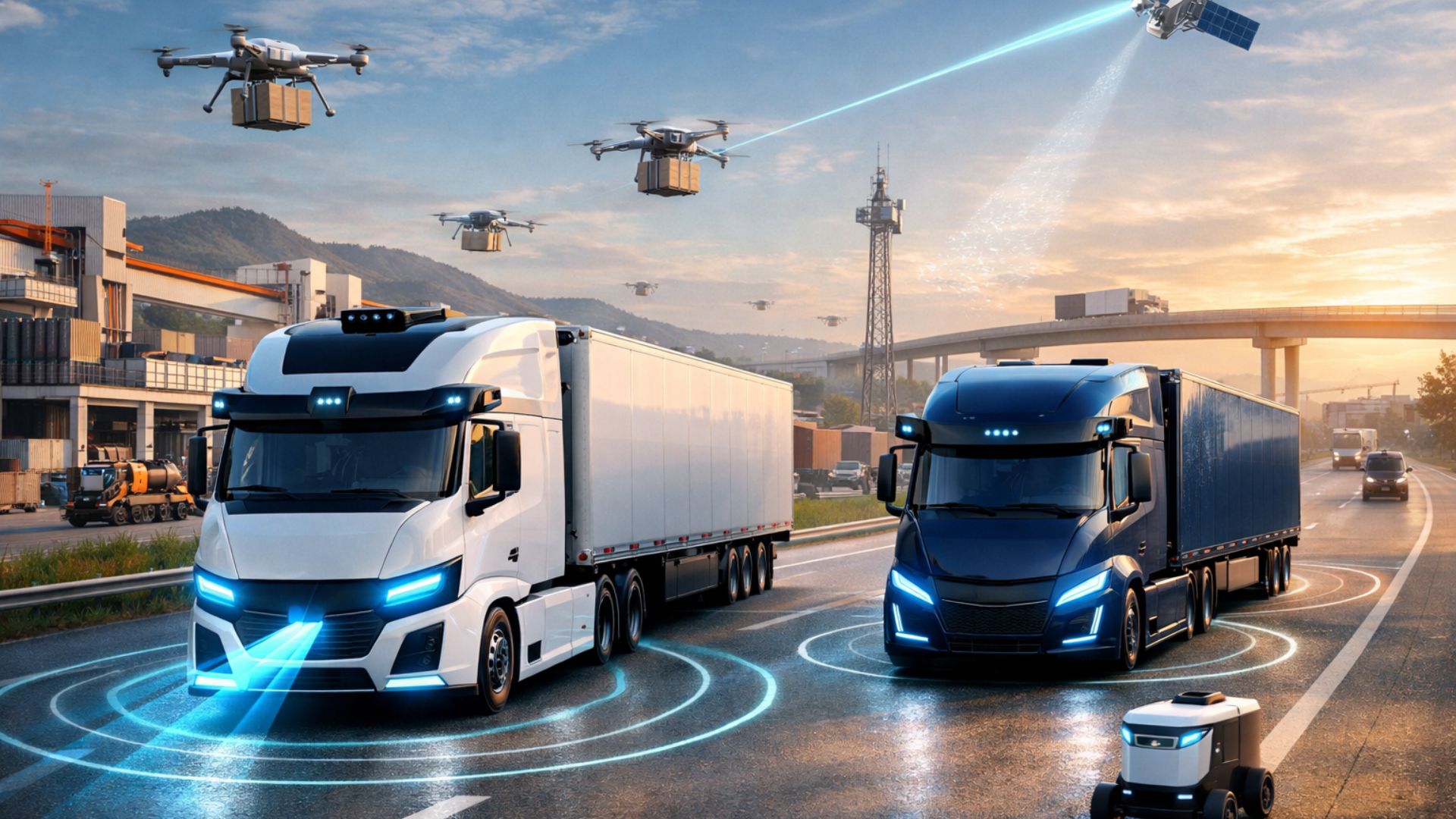
The logistics industry stands at a pivotal moment. By 2026, Autonomous Trucks will no longer be experimental or futuristic—they become a practical solution to persistent global supply chain challenges. Driven by surging fuel prices, labor shortages, and long-haul inefficiencies, logistics is on the brink of major disruption.
At Next Gen Tech Labs, we monitor technologies that transform industries, and few innovations match the benefits of autonomous freight systems. These trucks integrate artificial intelligence, sensors, real-time analytics, and V2X communication, forming a smarter and safer logistical ecosystem.
This article discusses how Autonomous Trucks are revolutionizing logistics in 2026, diving deep into the technology, their practical implementation, pros, cons, and the future of the business, ready to adopt this new innovation of the next generation.
What Are Autonomous Trucks? A Technology Overview
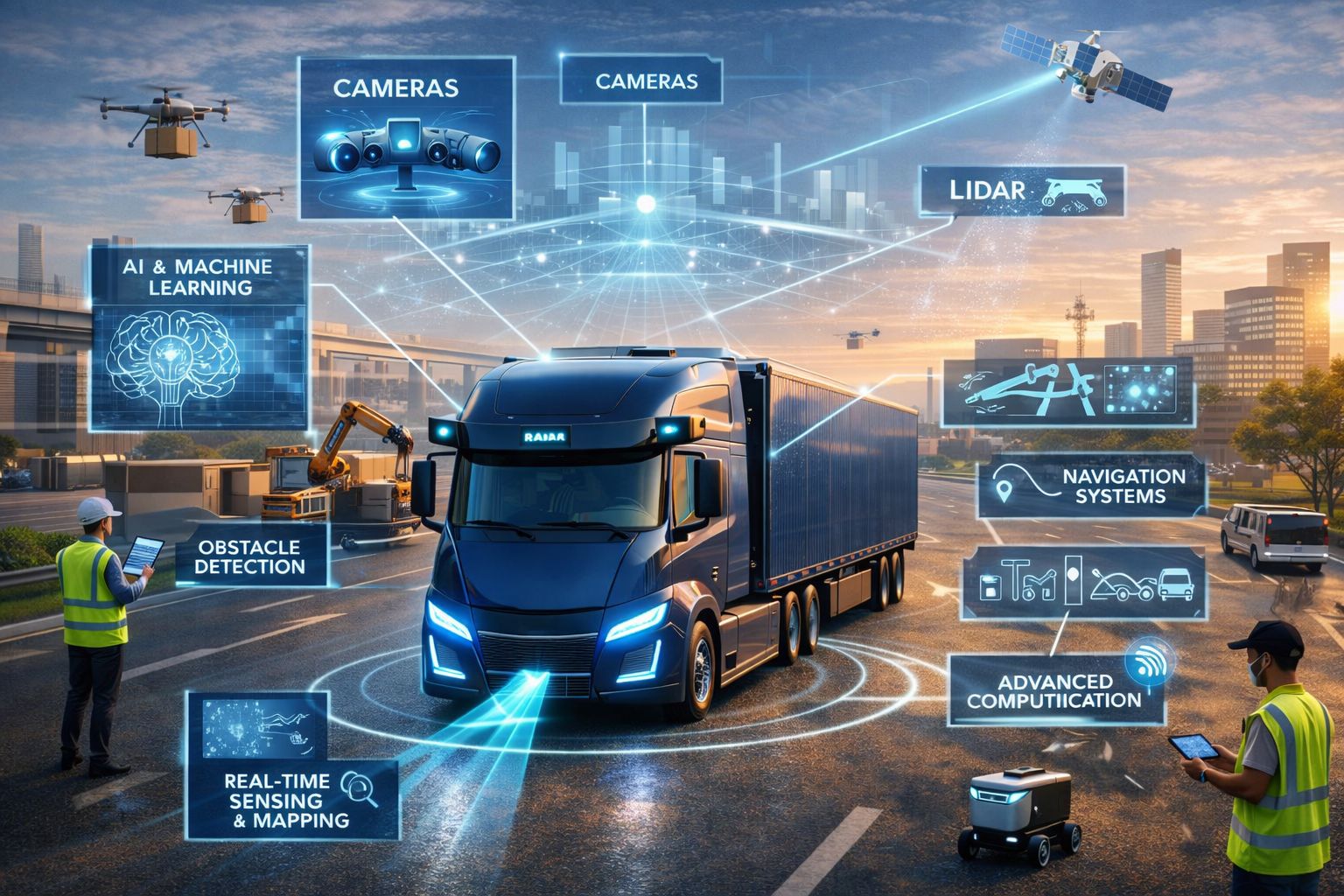
Autonomous Trucks are mass-produced commercial trucks that can move over the roads, highways, and logistic centers with little or no human intervention. These cars differ from traditional trucks in that they use an advanced combination of software and hardware to perceive the environment and make driving choices.
Basic Technologies that drive Autonomous Trucks
1. Artificial Intelligence (AI) & Machine Learning
AI models work with huge amounts of data to recognize objects, predict traffic patterns, and make decisions in a split second.
2. Sensor Fusion
The cameras, radar, LiDAR, and ultrasonic sensors combine to provide a 360-degree perspective of the surrounding environment of the truck.
3. High-Definition Mapping
Precision maps can assist Autonomous Trucks to comprehend the road signs, the gradients, road lanes, and other complicated intersections.
4. Vehicle-to-Everything (V2X) Communication
Allows trucks to interact with traffic lights, infrastructure, warehouses, and other cars.
5. Edge Computing & Cloud Connectivity
The responsiveness is guaranteed by real-time data processing, whereas fleet-wide optimization is made possible by cloud systems.
When combined, these technologies enable Autonomous Trucks to perform consistently, safely, and with accuracy, much beyond human ability.
Why 2026 Is the Breakthrough Year for Autonomous Trucks
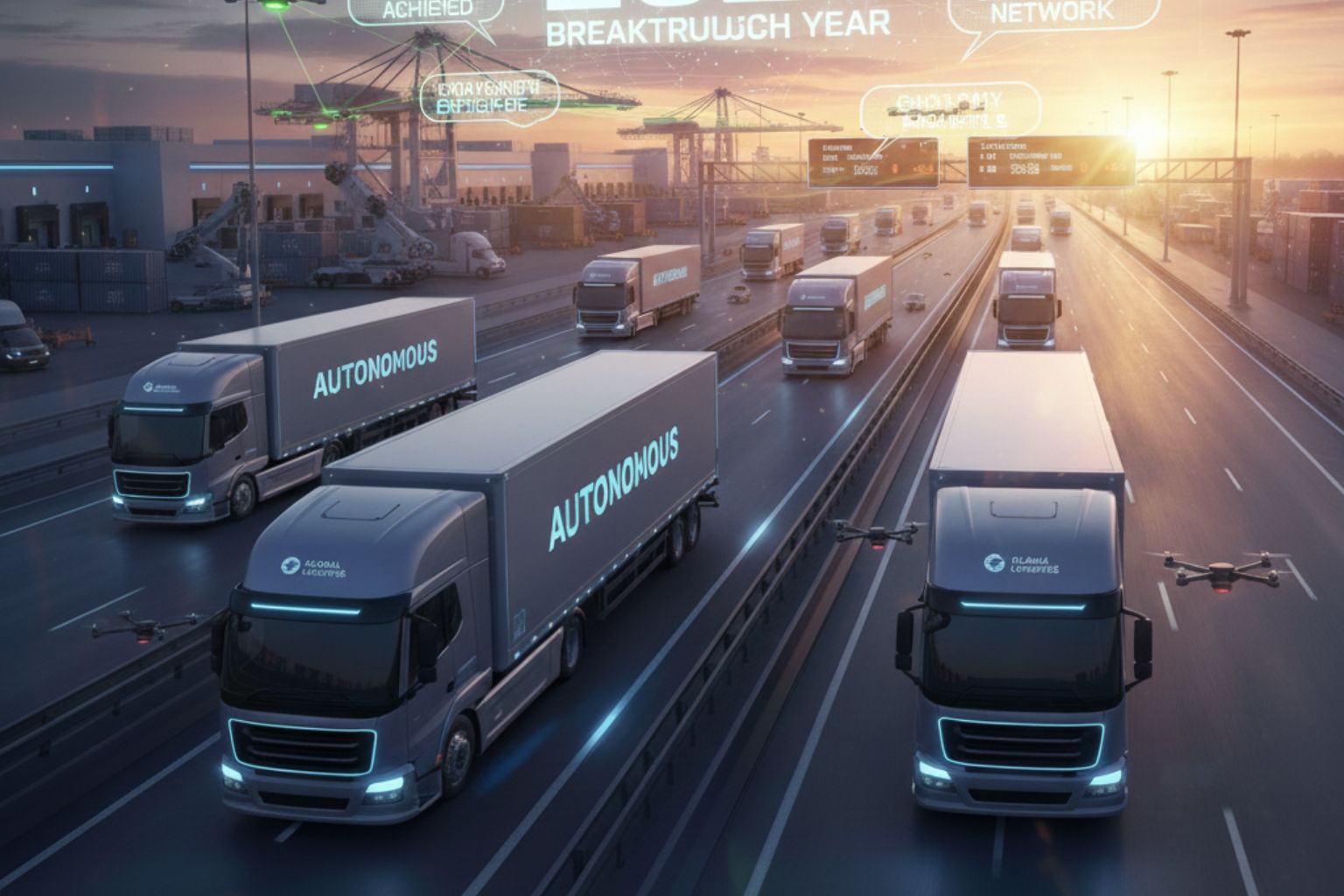
The combination of the maturity of technologies and regulatory development, with the market demand in 2026, is a sign of a turning point for Autonomous Trucks.
Influential Factors Rapidly Increasing Adoption.
Global Driver Shortages
Logistics firms are unable to hire and keep drivers, particularly when it comes to long-haul deliveries.
Rising Operational Costs
Poor fuel efficiency, insurance policies, and wages drive fleets to automation.
Improved Safety Standards
Human error is the cause of the majority of freight accidents. Autonomous Trucks are a high sunk cost in terms of reducing this risk.
Regulatory Green Lights
There is a growing acceptance of autonomous vehicle pilots and commercial deployments by governments.
In 2026, Autonomous Trucks will move out from pilot projects to commercial operations.
How Autonomous Trucks Are Transforming Logistics Operations
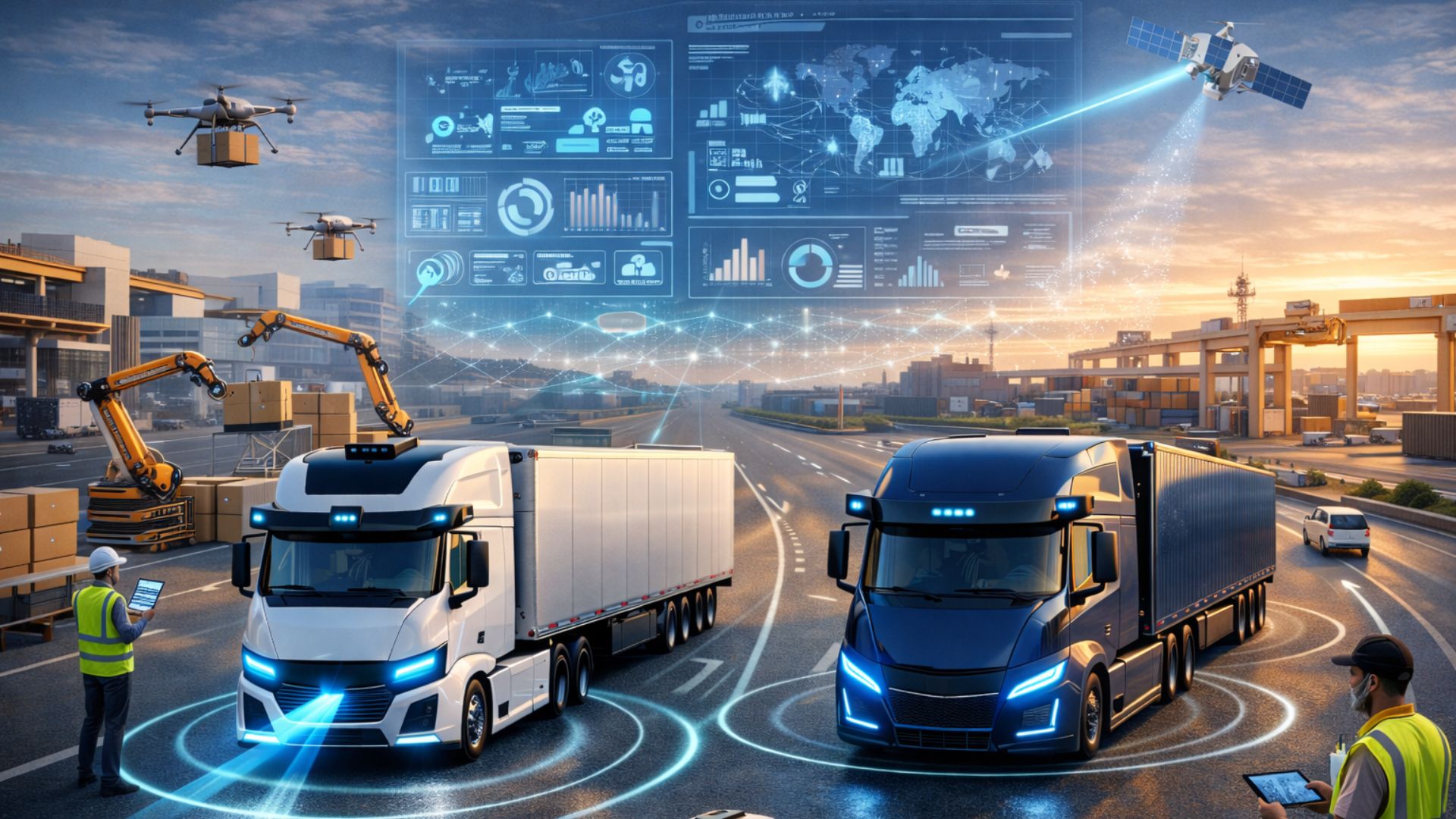
1. 24/7 Freight Movement
Autonomous Trucks do not need rest breaks, as human drivers do. This will enable long-time operation, which minimizes delivery time and enhances the use of assets along supply lines.
2. Increased Safety and Reduced Accidents
The sophisticated perception systems are quicker than human beings, and they identify threats on the roads during low visibility, traffic jams, and bad weather. This will ensure that autonomous trucks are much safer on highways.
3. Fuel Efficiency and Sustainability
Facilitated by AI, acceleration, braking, and platooning autonomy maximizes gas usage. Many Autonomous Trucks are also equipped with electric or hybrid powertrains, which, sustainability-wise, help out.
4. Predictive Maintenance
Autonomous Trucks have another major benefit: real-time diagnostics of the vehicles will reduce downtime and increase the lifespan of the fleet as well.
5. Smarter Route Optimization
The AI is used to design the most efficient routes dynamically by analyzing traffic, weather, and delivery windows.
Economic Impact of Autonomous Trucks on the Logistics Industry
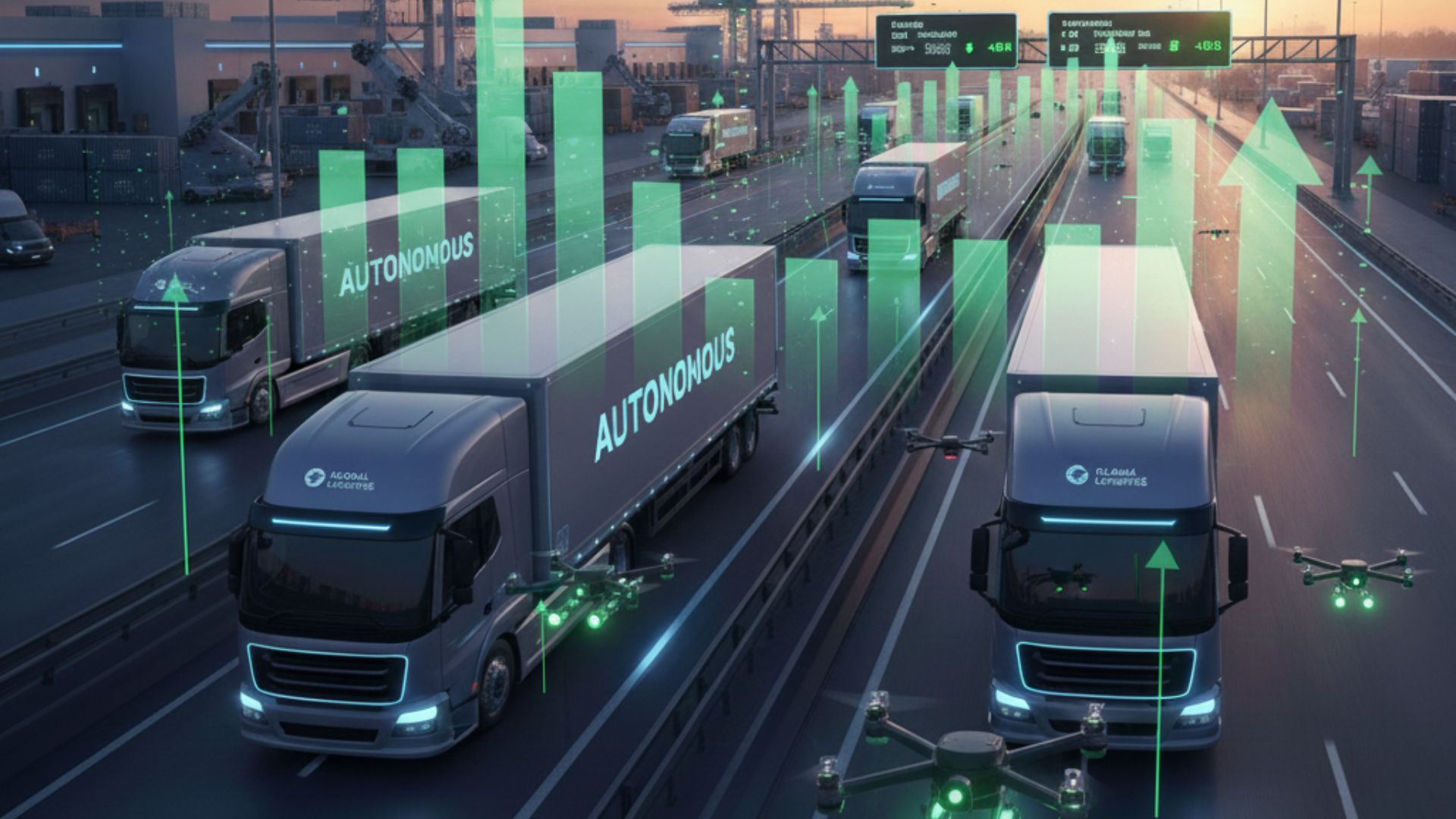
The economic cost of Autonomous Trucks is humongous. Firms that use self-driving fleets stand to have a competitive advantage because of the lower cost and increased efficiency.
Cost Savings Breakdown
- Lower labor expenses
- Reduced fuel consumption
- Better results in terms of accidents and insurance claims.
- Better reliability of deliveries.
In the case of large-scale logistics operators, the total operating cost is decreased by 20-40% in the long term in the case of Autonomous Trucks.
The Role of Autonomous Trucks in Smart Cities and Infrastructure
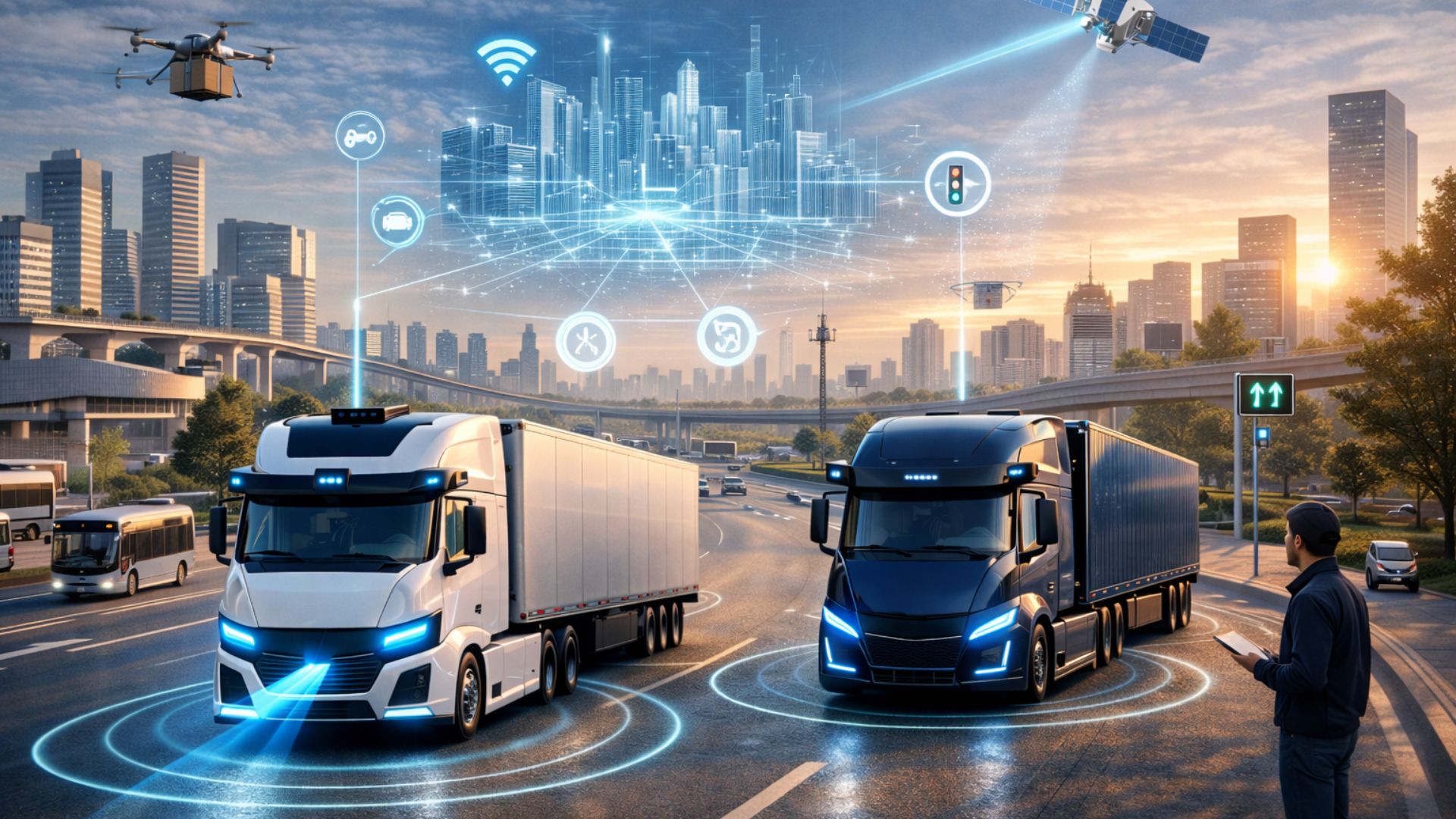
Connected Logistics Networks, Autonomous Trucks have become essential in the smartening of cities as they transform into smart ecologies. An integrated infrastructure is used to smoothly coordinate ports, warehouses, and urban delivery centers.
This synergy will reduce congestion, emissions, and enhance the last-mile delivery efficiency, particularly in high-density metropolitan areas.
Challenges Facing Autonomous Trucks in 2026
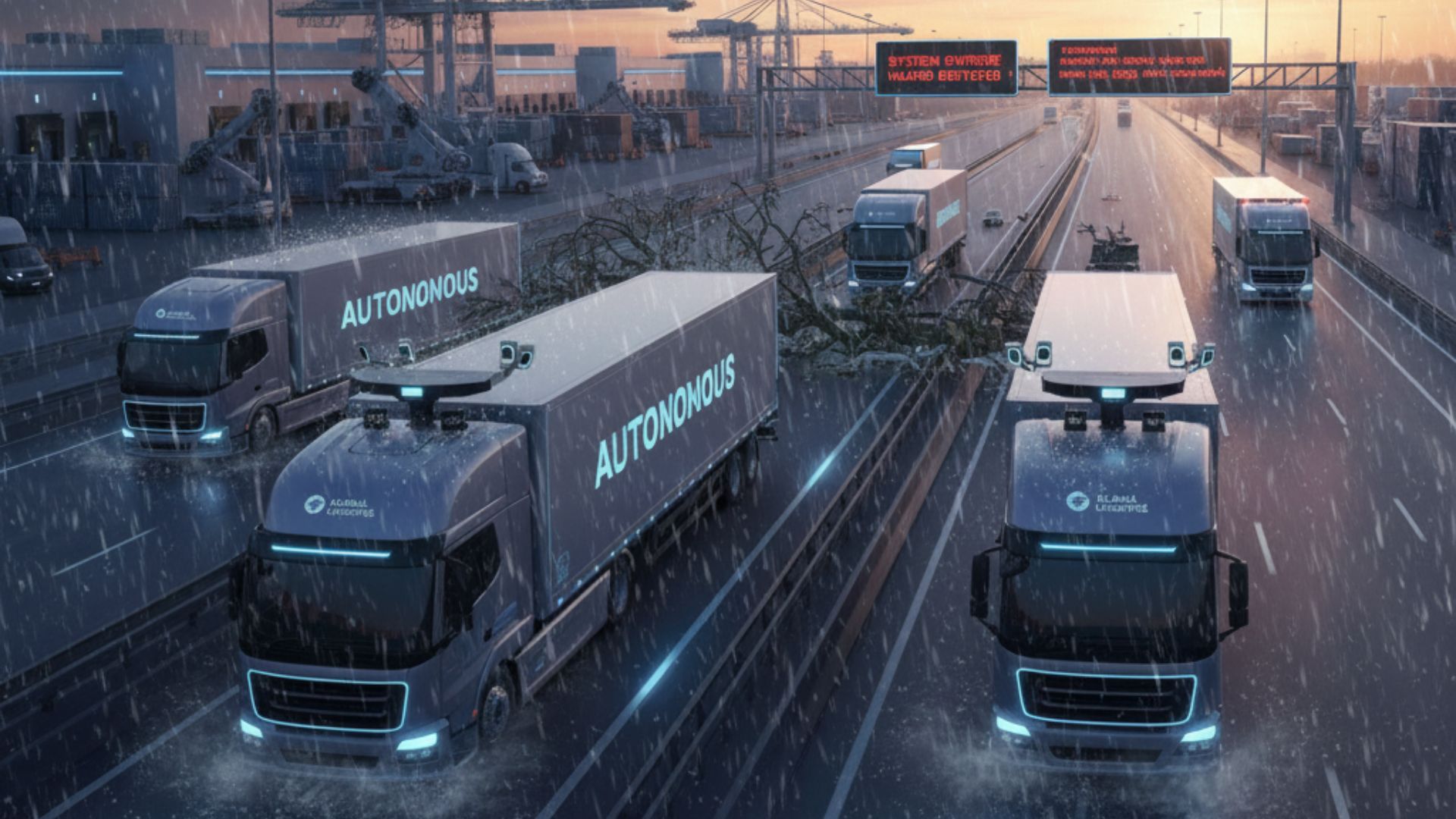
Nevertheless, Autonomous Trucks continue to have hurdles, regardless of the rapid progress:
Regulatory Complexity
Various areas have different laws, which impede international harmonization.
Cybersecurity Risks
There should be protection against malicious attacks and breaches of data in connected systems.
Public Trust
Winning over drivers, regulators, and the overall population is a priority.
Infrastructure Readiness
Not every road and logistic center is optimized to use autonomous operations.
In Next Gen Tech Labs, we believe that these are transitory challenges that are already being solved by innovation.
Human Jobs and Autonomous Trucks: Evolution, Not Elimination
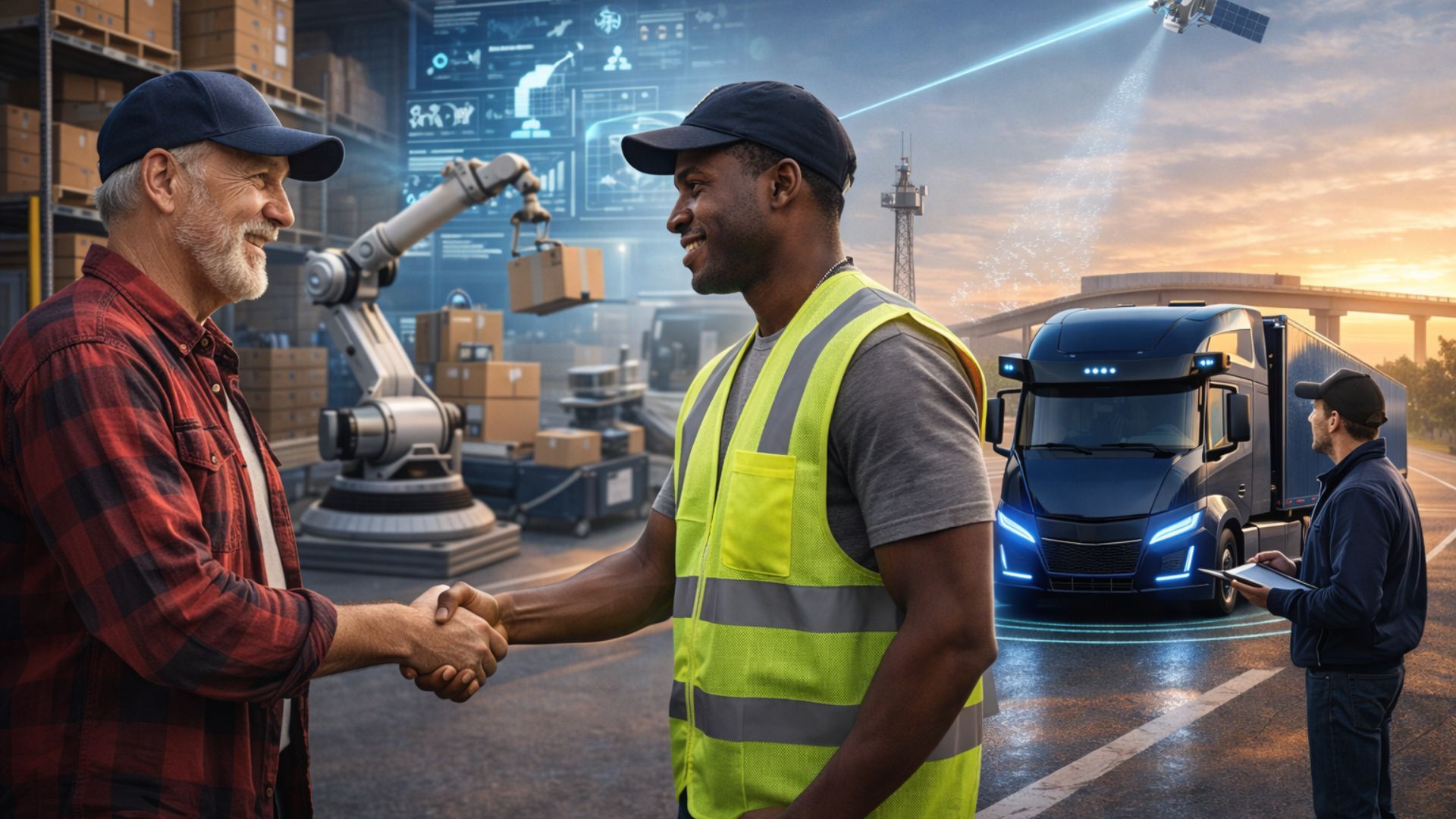
While automation sparks job concerns, Autonomous Trucks are transforming jobs rather than replacing them entirely. New opportunities emerge in:
- Fleet monitoring
- Remote vehicle supervision
- AI system maintenance
- Logistics planning and data analytics.
Human skills are still important in the control and optimization of autonomous ecosystems.
What Businesses Should Do to Prepare for Autonomous Trucks

To remain competitive, logistics companies ought to:
- Invest in the digital infrastructure.
- Reskill people to work on autonomous activities.
- Collaborate with technology vendors.
- Drive Autonomous Trucks over monitored roads.
- Modify compliance and risk models.
The front-runners in the use of Autonomous Trucks in the next decade will set the industry standards.
The Future Beyond 2026: What’s Next for Autonomous Trucks?
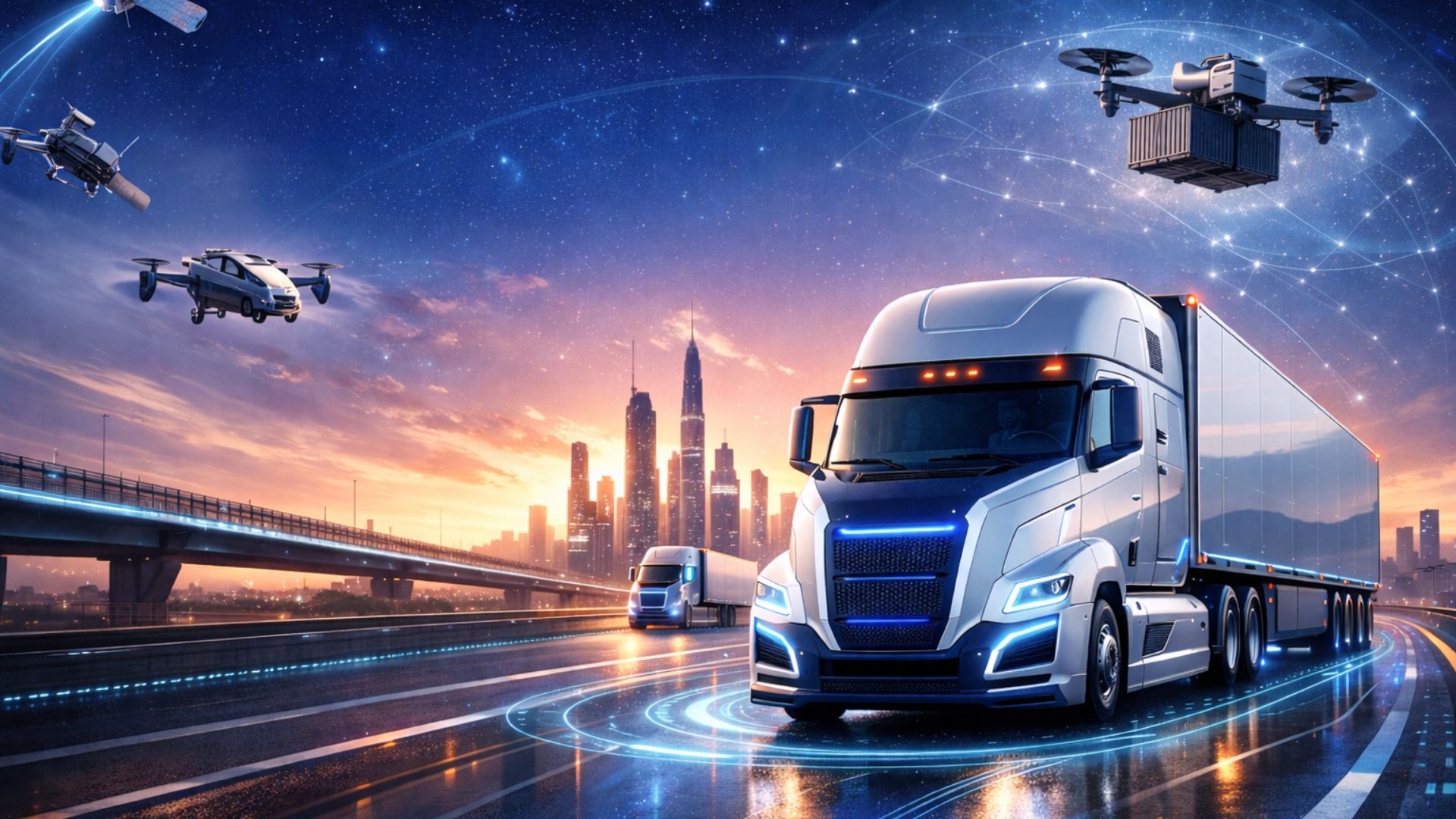
After 2026, Autonomous Trucks will develop into completely self-coordinating fleets that are driven by generative AI and real-time information around the globe. Expect:
- Completely autonomous cross-border freight.
- Zero-emission autonomous fleets.
- Artificial intelligence supply chain coordination.
- Interconnected operation with robots and drones.
The logistics industry is moving toward a future where efficiency, intelligence, and sustainability co-exist.
Conclusion: Autonomous Trucks Are Redefining Logistics in 2026
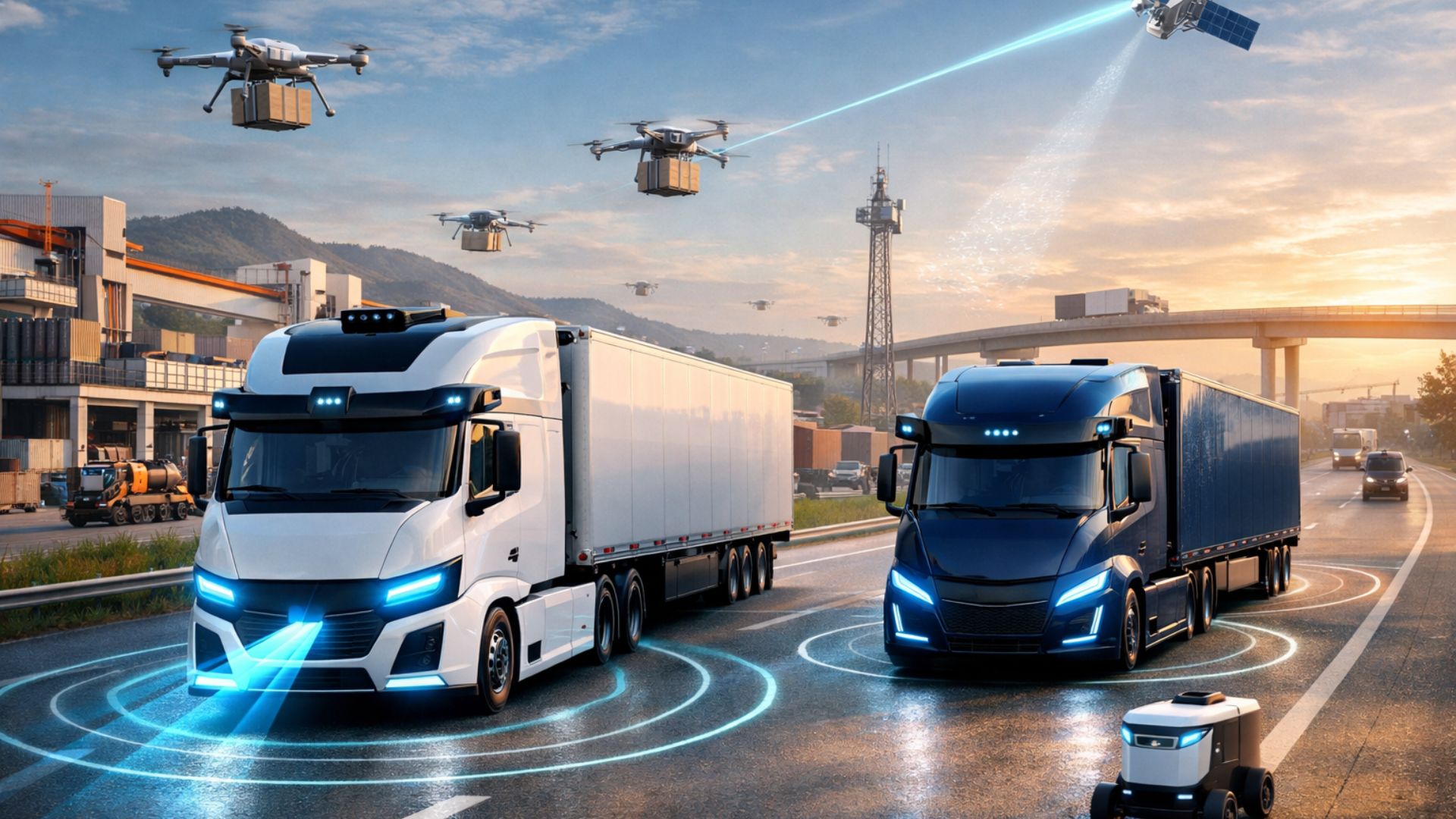
The emergence of Autonomous Trucks is not only a technological improvement but a complete change in the overall movement of goods in the world. Autonomous Trucks are transforming the freight industry by making it safer, less costly, and smarter than ever before in its history.
At Next Gen Tech Labs, we see 2026 as the year autonomous logistics becomes mainstream. Early adopters will gain access to greater efficiency, resilience, and scalability in an ever-competitive global market, unlike those who did not adapt earlier.
The road ahead is autonomous, and the journey has already begun.