
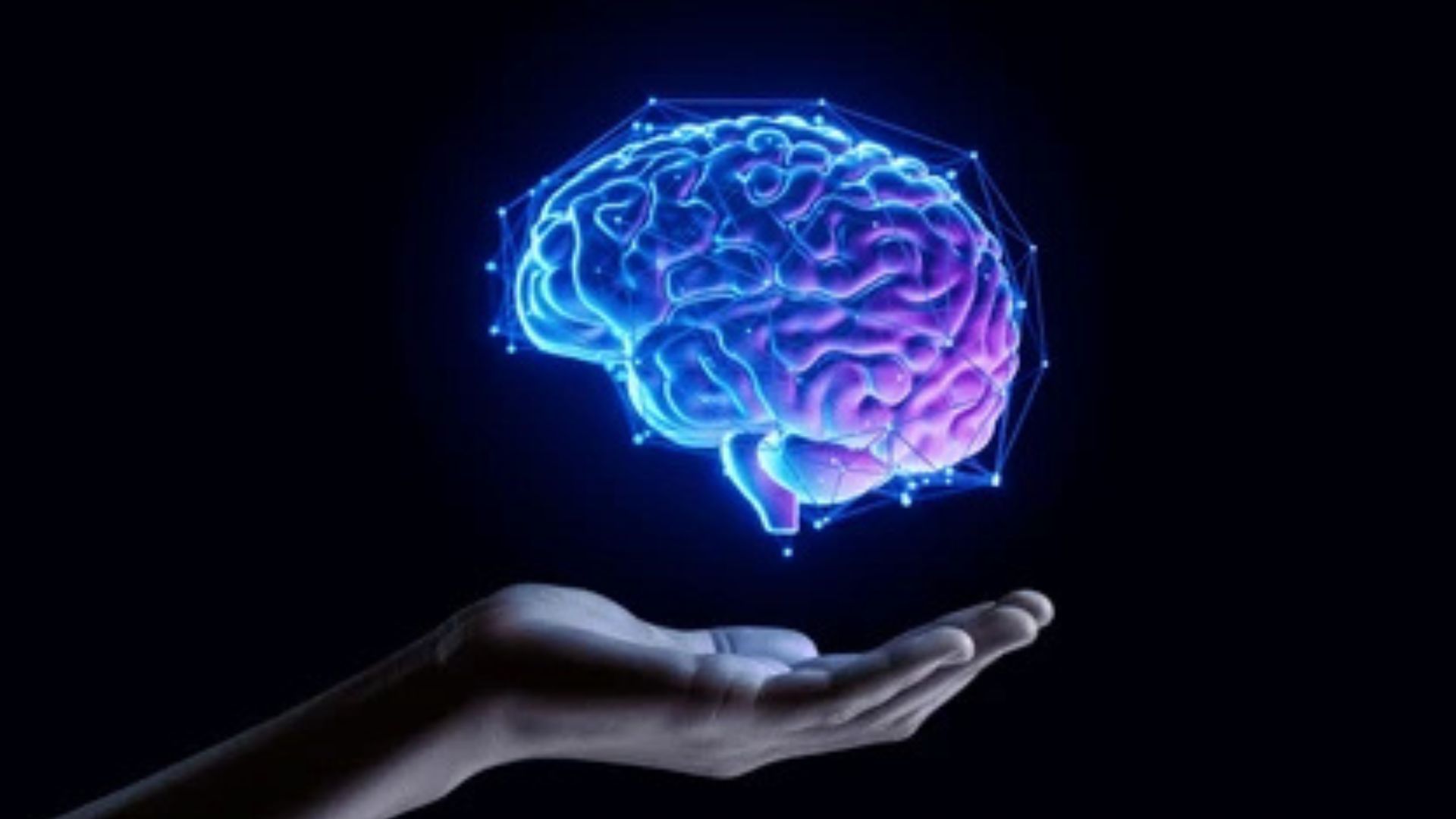
The most complicated and enigmatic organ that science has to offer is the human brain. It determines all of your thoughts, emotions, actions, and memories that you have, but researchers continue to discover the real mechanism of how it works. The study of the human brain has emerged to be one of the most visited and inquired questions on the internet since it provides the answers to the questions of who we are, how we think, and what causes us to become conscious beings.
This blog is an immersive, fascinating experience through the human brain, dividing how consciousness is formed, how memories are formed, and how billions of neurons interact to make up our mental world.
The Structure of the Human Brain
In order to conceive consciousness and memory, we must first have a glimpse into the structure of the human mind. It is divided into three significant components, namely the cerebrum, cerebellum, and brainstem, which have various functions.
The Cerebrum
The cerebrum is the human brain part that is the largest, which has the responsibility of reasoning, emotions, learning, and voluntary actions. It consists of two hemispheres and four lobes, each of which is specialized, i.e., language, logic, creativity, and sensory processing.
The Cerebellum
The cerebellum is often neglected, and it regulates balance, movements, and coordination. Without this section of the human brain, it would not be possible to do simple things such as walk or write.
The Brainstem
The brain stem controls the essential body processes like heart rate, breathing, and sleep. It is the interaction of the body with the rest of the human brain.
These are the components that cooperate to aid cognitive functions, emotional reactions, as well as long-term memory formation.
How Consciousness Emerges in the Human Brain
One of the most interesting capabilities of the human brain is consciousness, the state of being aware. Scientists are of the view that it is a result of synchronized communications between the billions of neurons, which fire at incredible rates.
Neural Networks and Conscious Awareness
Whenever you look at an object, listen to a sound, or even when thinking a thought, several parts of the human brain come into play all at the same time. This group action brings out the sense of awareness. Consciousness is not in a single location; it is an output of a mechanism of interconnected neural networks.
Global Workspace Theory
This is a commonly used theory that postulates that the process of consciousness occurs when information is diffused throughout the whole human brain. After the data is put in this global workspace, it can be accessed to help make a decision, memory, and even emotional responses.
Synchronized Brain Waves
It is scientifically proven that coherent electrical rhythms aid in the communication of various sections of the human brain. Once these waves come together, perception becomes more clear and attentive.
Collectively, these processes can be used to explain how the human brain converts electrical impulses into self-awareness and perception.
How Memory Works in the Human Brain
The other striking activity of the human brain is memory, as it enables us to memorize, recall, and utilize information in life. Whenever you recall your first day at school or you are acquiring a new skill, the various memory systems within the human brain are involved.
Types of Memory
- Sensory Memory– Takes in sensory data over a fraction of a second.
- Short-Term Memory – Retains little pieces of data in the short term.
- Working Memory – It is applied to problem-solving and active thinking.
- Long-Term Memory – The Long-Term Memory holds information over months, years, and a lifetime.
All these types of memory are dependent on the cooperation of special structures of the human brain to encode and recall experiences.
Steps of Memory Formation
Memory is a three-step process, i.e., encoding, storage, and retrieval.
Encoding
The process of encoding starts when the information is received in your senses. These experiences are translated to neural patterns by the hippocampus, which is a central memory hub in the human brain.
Storage
Memories are not stored in a specific location but exist in different parts of the brain. This decentralized system enables the human brain to defend the memories in the event that one of the parts is hurt.
Retrieval
The human brain will activate the same neural pathways that were created during the process of encoding when you recall something. The stimulation of these pathways by triggering such memories can occur through sounds, smells, or even visuals.
Why We Forget
The process of forgetting is a normal aspect of the functioning of the human brain. It ensures that our mental space is well organized and not overloaded.
Common reasons include:
- Decay of unused neural pathways
- Interference from new information
- Failure to retrieve stored memories
- Aging or neurological disorders
Learning about the functioning of the human brain forgetting is equally important as learning about the functioning of the human brain remembering since the two processes have an impact on learning and mental clarity.
The Connection Between Consciousness and Memory
The human brain is closely intertwined with consciousness and memory. You can only create memories of what you know. Similarly, what you think about is conditioned by what you have been remembering.
Key relationships include:
- Attention improves memory encoding: It is when you are focused that your human brain stores information better.
- Memories shape your identity: All the things you recall serve to shape your personality and choices.
- Conscious reflection relies on stored experiences: The human mind always refers to the past to inform current behavior.
In this relationship, memory and awareness combined determine human behavior.
How the Human Brain Uses Emotions in Memory
Feelings enhance memory since they elicit certain activities within the brain of human being. The emotional center, called the amygdala, makes some events more valuable, thus easier to recall.
More events leave an imprint as happy moments, frightening moments, or intense moments. That is why the emotional events tend to remain vivid throughout the years the human brain perceives them as important to its survival.
Modern Technology Revealing the Brain’s Secrets
Scientists are now in a position to study the human brain in a manner that seemed impossible previously, owing to the sophisticated devices.
fMRI Scans
The functional MRI monitors blood circulation in the active parts of the human brain, which scientists use to map consciousness and memory formation.
EEG Tests
Electroencephalography records electrical activity, and it indicates how the brain waves are coordinated when considering either thinking or rest.
Artificial Intelligence
AI has the potential to decode some neural signals, and this is a breakthrough discovery on how the human brain processes language, images, and thoughts.
Brain Stimulation Therapy
Such procedures as TMS and DBS are used to treat memory loss and mood disorders as they stimulate specific parts of the human brain.
These inventions are making us nearer to the realization of what the human brain can and cannot do.
How to Keep the Human Brain Healthy
The human brain is the key to good memory and mental clarity; therefore, it should be taken care of. Healthy habits include:
- Getting consistent sleep
- Routine physical exercise.
- Consuming nuts and fish, including brain-boosting foods, such as nuts, fish, and berries.
- Meditating or engaging in mindfulness.
- Mentally stimulating by reading or doing puzzles.
These practices facilitate lifelong functionality and safeguard the human brain against cognitive decline.
Conclusion
The human brain is a masterpiece of biological engineering, everything in it, all thoughts, all memories, all emotions, and conscious experiences. The more scientists find out about the mechanism, the closer we get to the definition of what it means to be a human being.
The human brain is one of the most intriguing topics of modern science, and there is known about the secrets of consciousness and the depth of memory development. By delving into its structures, processes, and abilities, we can understand much about who we are, how we behave, and the potential we have, which is endless.