
The entertainment industry in the world has experienced a revolution over the past ten years, shifting its focus from traditional types of television and cable networks to the dynamic realm of OTT platforms. The shift has not just revamped the content consumption patterns of the audiences but has also established the competitive environment of digital entertainment in a new way. What used to be a convenient and fast replacement of cable subscriptions has now turned into a full-scale phenomenon commonly known as streaming wars.
With shifting viewership trends and technological progress, OTT providers will continue to control the entertainment industry, which provides on-demand content that is personalized, convenient, and can be viewed from any part of the world. This blog discusses how these digital giants got to where they are today, why they are the central focus of the contemporary entertainment industry, and what the future of the business holds in the rapidly developing industry, as well as for the creators and consumers.
The Evolution of Streaming: From Television Screens to Mobile Dominance
The transition towards online content was slowly developing, as the consumer wanted greater freedom and choice in what they viewed. Early streaming platforms already brought the concept of online viewing of shows and movies; however, the actual game-changer was the introduction of original content, platform availability on more than one device, and commercial-free viewing.
As smart TVs, smartphones, tablets, and high-speed internet became widespread, it became natural that the audiences turned towards OTT platforms to get the convenience they needed. The old broadcasting time was no longer needed when people developed a liking for binge-watching whole seasons at a time. On-the-go entertainment has also consolidated the leadership position of the OTT platforms since users can now stream any content at any time or place.
What Makes OTT Platforms the New Entertainment Powerhouses?
Limitless Content Variety
The huge content library is one of the largest assets of OTT platforms. These platforms have movies and documentaries, sports, music, and niche genres; the channels have something to offer to every viewer. International shows are made available to the global audience, and local shows are made available in various languages to regional viewers.
Individualized User Interaction
OTT services use advanced algorithms in order to learn the preferences of their users and suggest content that suits their tastes. The degree of personalization is something that conventional TV could not have. Consequently, user interaction and satisfaction levels are much better.
Affordable and Flexible Plans
Monthly and annual subscription plans enable the user to have the option of what suits him or her. Most OTT platforms also offer mobile-only subscriptions, which make the entertainment more affordable to younger consumers and new markets.
Multi-Device Streaming
OTT platforms have credible streaming on devices, whether it is a laptop, smartphone, smart TV, or tablet. Customers can begin watching a show on one device and proceed to watch another device.
Original Content and Exclusivity
The demand for exclusive content has encouraged OTT providers to spend a lot of money on original films and shows. These platform exclusives are the ones that bring them new subscribers and a base of loyal viewers. These original productions have, in many cases, gained global recognition that often exceeds that of traditional TV shows.
The Streaming Wars: A Battle of Content, Technology, and User Loyalty
The rivalry between the OTT services has increased to a significant level, where each service attempts to win over the other through the quality of content, user experience, and pricing policies. The emergence of new competitors and the necessity to attract the attention of the audience in a rather densely populated market are the fueling factors of this war.
The Race for Exclusive Content
The primary weapons of this battle have been exclusive releases; it could be blockbuster films, it could be hit web series, or it could be live sports rights. Most of the OTTs today team up with the top filmmakers, celebrities, and production houses to create quality originals that will appeal in mass.
Global Expansion and Regional Focus
Although a global expansion is the end goal, most OTT platforms are very much concerned with regional content so as to suit the local culture and language. This will enable them to compete in the various markets.
Advanced Technology and User Experience
In order to keep users engaged, OTTs regularly refresh their user interface/user experience, provide personalized suggestions, and enhance the quality of streaming through technologies such as 4K high dynamic range, Dolby Atmos, and adaptive bitrate streaming. It is the platform that provides the smoothest and immersive experience, which can end up being loyal to the viewers.
How OTT Platforms Are Changing Viewer Behavior
The Binge-Watching Culture
Episodes that were formerly aired weekly are now all at once. OTT platforms encourage viewers to binge entire seasons, leading users to spend more time watching and becoming more engaged with the platform.
Decline in Traditional TV Viewership
TV Subscriptions The decline in cable and satellite television across the world is steadily declining as more audiences migrate to the OTT services as a convenience and liberation.
Increased Demand for On-Demand Content
The contemporary viewers desire to see what they desire, when they desire. The dynamic quality of OTT sites fits this requirement perfectly and removes the constraints of the planned programming.
Rise of Multi-Lingual Content Consumption
Subtitles and dubbing have significantly contributed to the accessibility of international content. Consequently, viewers are currently willing to watch shows and films of different cultures using OTT.
Impact on the Entertainment Industry
The emergence of OTT platforms has brought about a great transformation throughout the entertainment value chain, including the creation of content to the revenue forms.
New Opportunities for Creators
The filmmakers, writers, and actors enjoy unparalleled opportunities. OTT platforms are useful to independent creators, in particular, because they offer them creative freedom, increased international exposure, and alternative sources of revenue.
Box Office vs. OTT Releases
There has been a significant change in the release of movies, most of which have resorted to direct OTT release. This not only provides films with a large audience base but also removes the distribution costs.
Emergence of Content Production via Data
OTT platforms base their decision on viewer insight and analytics in determining the kind of content they should create. Such storytelling leads to efficient production budgets and a greater level of satisfaction for the viewers due to the use of data.
Challenges and Criticisms Faced by OTT Platforms
OTT platforms also have a number of challenges, regardless of their advantages:
Content Saturation
Being overloaded with the content released on a regular basis, the viewers may feel overwhelmed. This results in a great competition between both creators and platforms.
Subscription Fatigue
Consumers tend to subscribe to various services, which makes it expensive on a monthly basis. Due to the increasing entry of OTT platforms into the market, several users are suffering subscription fatigue and dropping the service they do not use extensively.
Censorship and Regulation
There are different regulations for digital content in different countries. OTT platforms are regularly subject to regulation and might be forced to alter content to comply with regulations.
The Future of OTT Platforms
As we move into the future, we see that OTT platforms will continue to have a greater impact on the future of the entertainment ecosystem all over the world. The following is what the future might bring:
Enhanced Personalization Through AI
The recommendations which are generated using AI will be even more precise and will assist the OTT platforms to retain users, offering them content that is perfectly relevant to their interests.
Integration of AR and VR
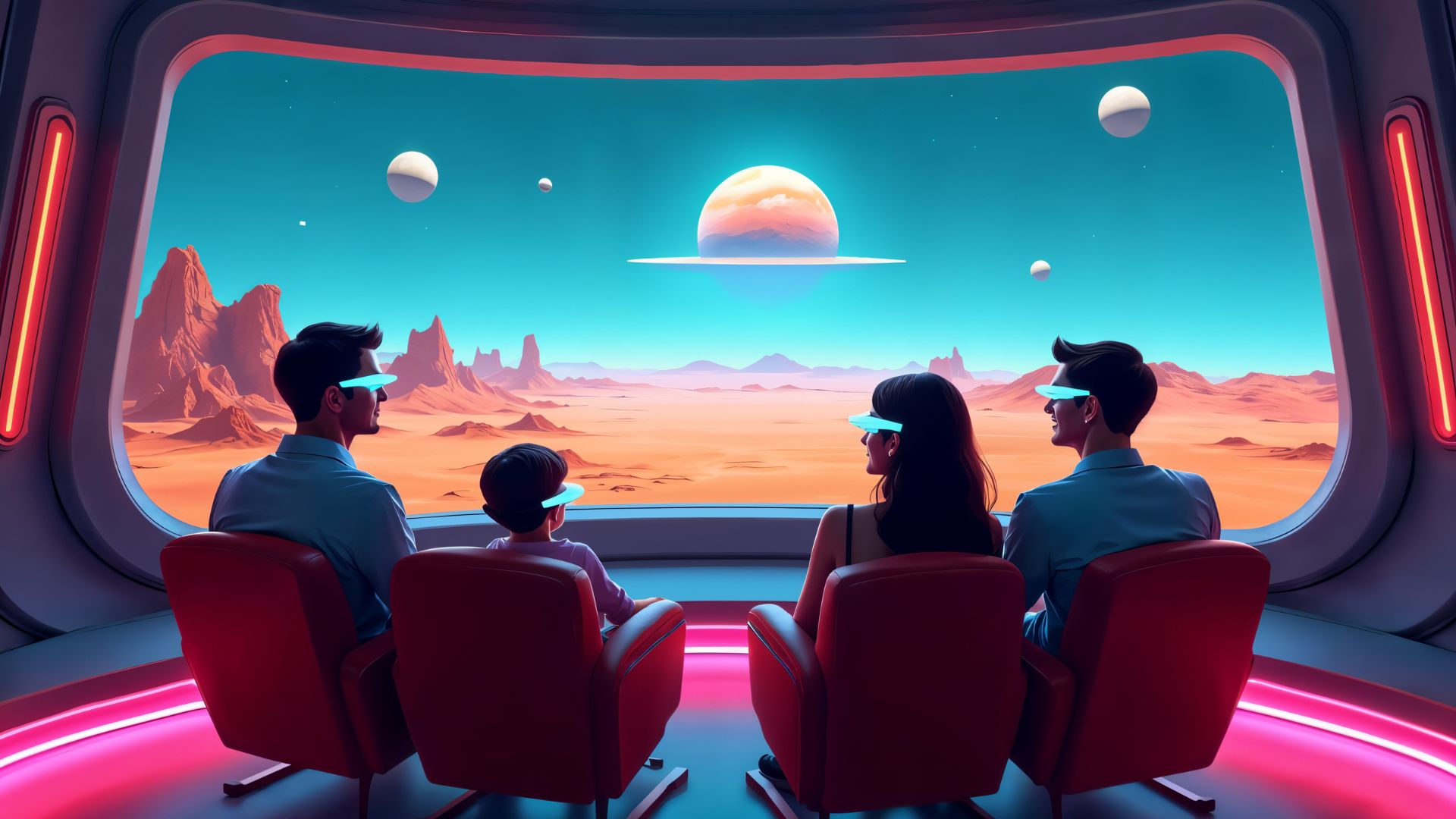
Immersive technologies could enable viewers to have a completely new form of entertainment, changing the interaction of users with the OTT.
Global Content Collaboration
There will be an increase in the number of cross-border content partnerships that combine different cultures and increase the global scope of OTT services.
Rise of Niche Streaming Services
Alongside the major players, many smaller niche OTT platforms focused on sports, documentaries, anime, and regional content are expected to grow rapidly.
Conclusion
The emergence of the streaming wars has put a new spin on the entertainment industry, where OTT services now dominate the landscape of whether or not to consume content. These platforms have offered millions of viewers the world over their large catalogues of shows, custom experiences, flexibility, and innovation, which makes them the choice. As technology continues to advance and competition intensifies, the influence of OTT platforms will grow even stronger, expanding creative boundaries and reshaping how stories are crafted and experienced.
In today’s rapidly evolving digital landscape, one thing is clear: OTT platforms aren’t just influencing entertainment—they’re reshaping it. Streaming is here to stay, and competition over who has the best positions among the OTT platforms is bound to influence the future of entertainment in the world in the coming years.