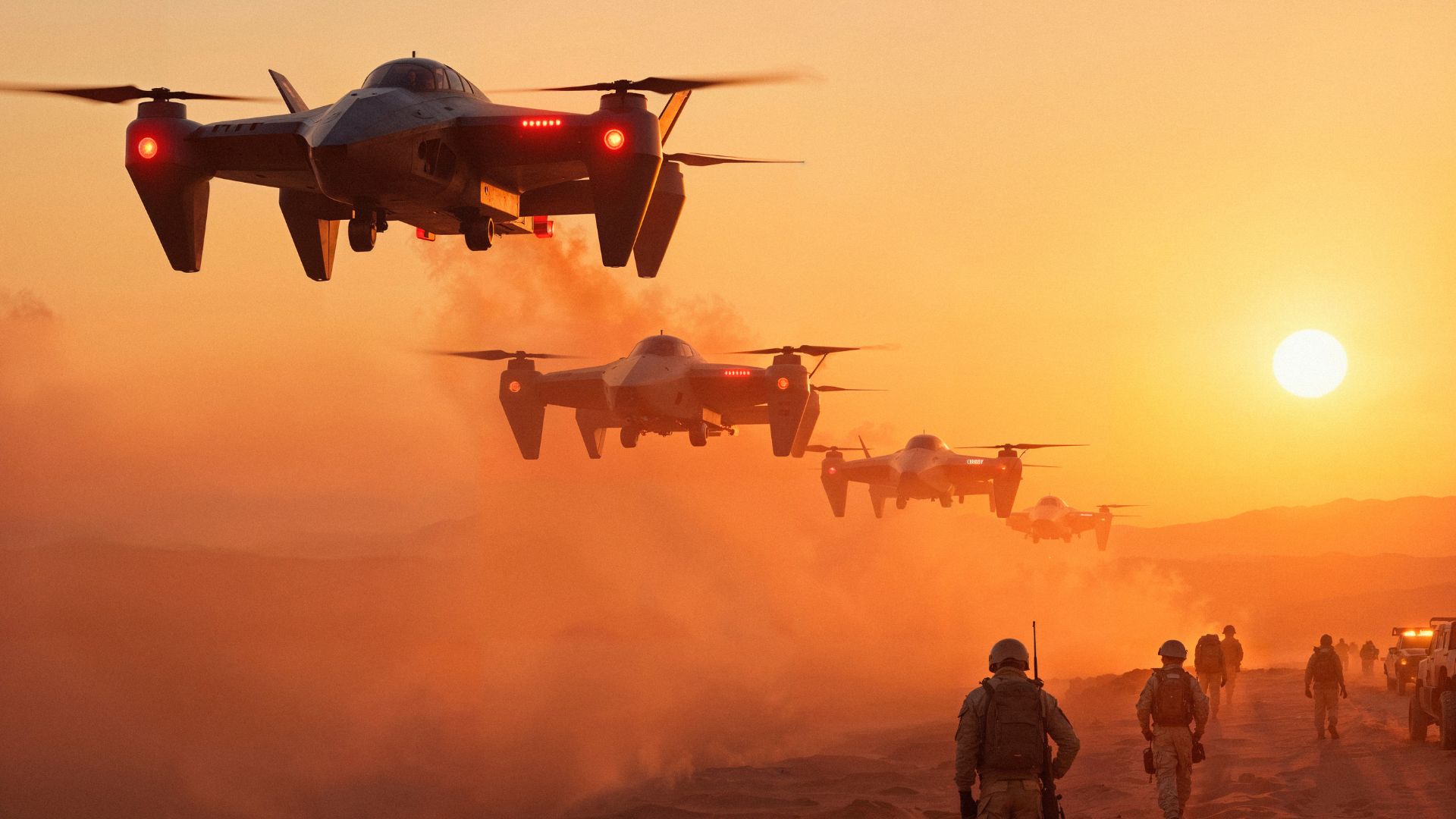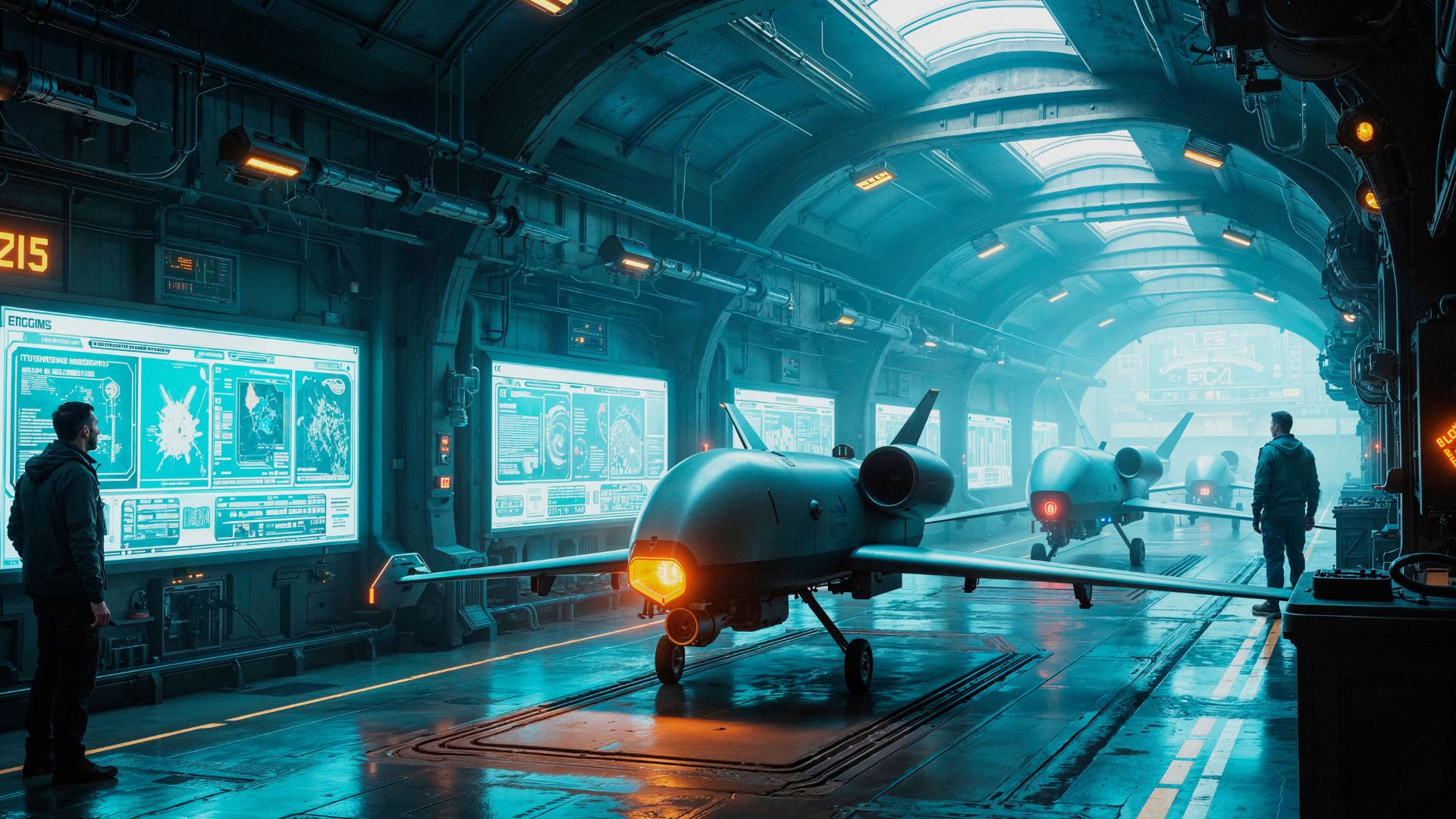
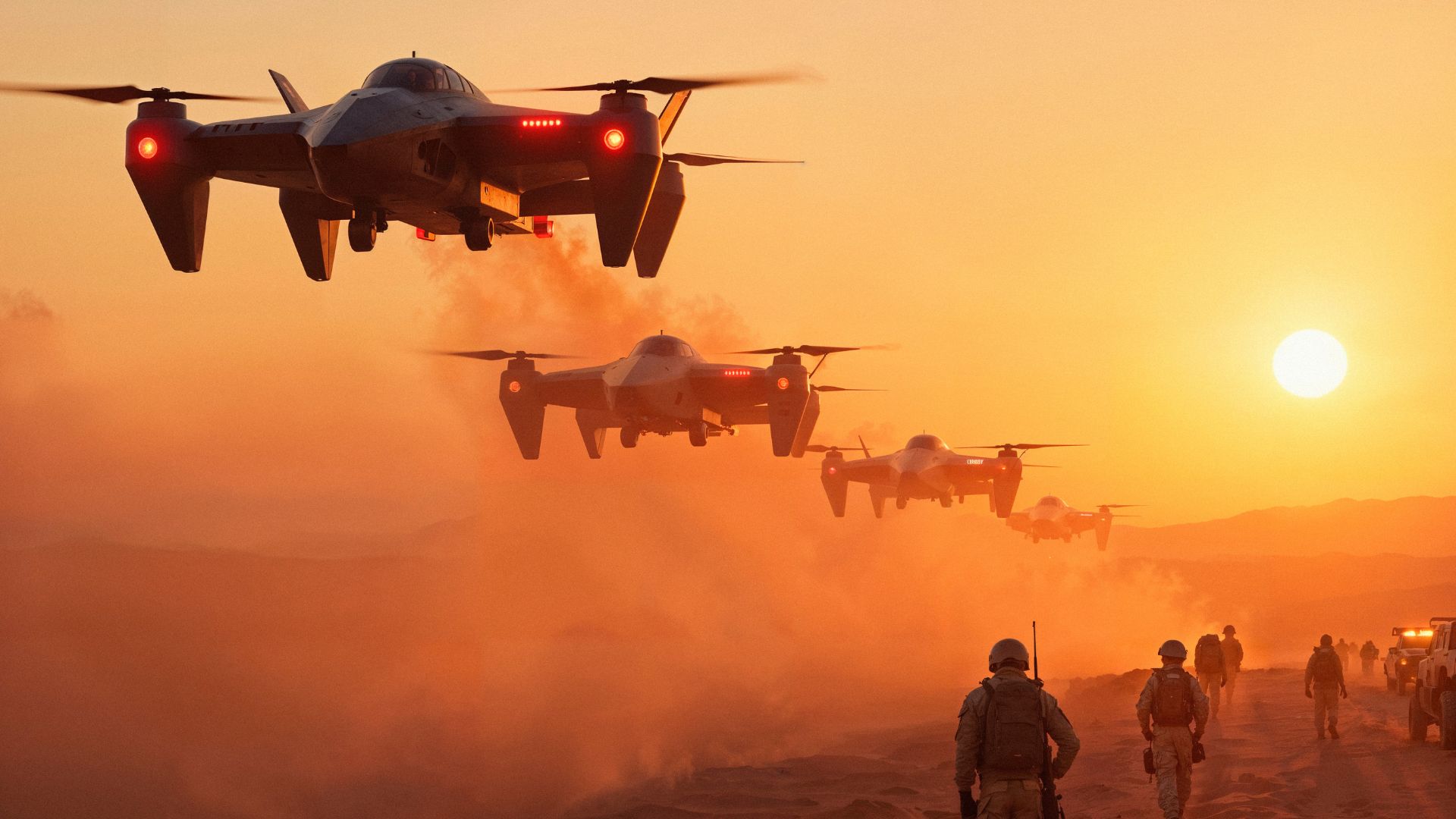
The current state of warfare is experiencing a dramatic shift due to rapidly changing technology. One of such innovations is unmanned aerial vehicles (UAVs) or drones, which have become one of the most influential battlefield tools. Drones are no longer confined to camera work, as they can now be used to deliver precision attacks, collect real-time data, and work together in swarms.
The threat of drones is growing as the number of drone applications increases. This has seen the creation of the Anti-Drone Technology, which is a specialized branch that is concerned with the detection, tracking, and neutralization of enemy UAVs, before they can do any harm.
NextGenTechLabs focuses on the technologies shaping the future of defense and security. Anti-Drone Technology remains one of the most essential innovations at the moment, as it is crucial to protect military facilities, critical infrastructure, and unarmed citizens.
This detailed guide by NextGenTechLabs will deconstruct drone threat detection technology, methods of countering threats, and why this field is becoming a necessity in 21st-century warfare.
The Growing Threat of Enemy UAVs
Within the last 10 years, drones have been transformed from a small niche resource into an essential part of the military. The most dangerous aspect of them is their accessibility. Drone, unlike the conventional fighter jet/missile, is cheaply made and can be bought in large quantities by any state or even a non-state entity.
Modern UAV threats include:
- Surveillance around sensitive areas of the military.
- Accurate transfer of explosives.
- Swarm attacks are planned in order to overwhelm defenses.
- Hacking communication networks.
These abilities have transformed the manner of fighting conflicts. Small drones can now be used to have a strategic effect, particularly when massed or when utilized during asymmetric warfare.
This has compelled militaries all over the world to devote vast sums of money to anti-drone technology and realize the fact that conventional defense mechanisms are not enough to counter these agile and inexpensive threats.
Why UAVs Are So Hard to Counter
Among the major factors that make drone threats hard to deal with are their design and the nature of their operations. The UAVs are stealth optimized, flexible, and adaptable as compared to conventional aircraft.
Some of the main challenges are:
- Poor radar visibility: A large number of drones are constructed out of materials that reduce radar reflection.
- Minimal size: Micro and nano drones can be almost invisible to ordinary detection systems.
- Low-altitude flight: Low-altitude drones are not covered by radar.
- Autonomous navigation: programmed routes minimize the use of external indicators.
These factors render the process of detection very complicated. Consequently, the current Anti-Drone Technology is based on multi-layered detection systems that integrate various technologies to be accurate.
Multi-Layered Detection: The Foundation of Defense
The best counter-drone systems are not based on any one technique. They instead employ an incremental strategy, integrating multiple sensors and technologies to form a detection network.
1. Advanced Radar Systems
The modern radar systems have developed with many improvements to overcome the weaknesses of the older designs. The fact is that now they can identify small, slow-moving objects that could not be detected before.
Key features include:
- High-resolution tracking
- Differentiation of drones and natural objects.
- Grand Strategy sensing.
Such systems are the main component of early warning in Anti-Drone Technology, which is essential to act in time.
2. Radio Frequency Monitoring
The vast majority of drones are based on communication channels between the operator and the planes. RF monitoring systems are used to scan the electromagnetic spectrum to identify these signals.
They can:
- Establish drone frequencies that are active.
- Identify the whereabouts of operators.
- Identify illegal transmissions.
This renders RF monitoring as a critical part of Anti-Drone Technology, particularly in an urban or populated location.
3. Optical and Thermal Imaging
False alarms need to be prevented using visual confirmation. The infrared sensors and electro-optical cameras assist in detecting drones in terms of shape, movement, and heat.
Advantages include:
- Excellent recognition capabilities.
- Day and night operation
- Real-time tracking
Such systems create better situational awareness and increase decision-making.
4. Acoustic Sensors
One of the ways that is frequently neglected is the possibility of identifying the sound that is emitted by drone propellers. Sound patterns are analyzed using acoustic sensing in order to detect UAVs.
It is not always dependable in a noisy setup, though it provides a supplement to Anti-Drone Technology, especially in a controlled environment.
5. Artificial Intelligence Integration
AI has emerged as a changer of the game in contemporary defense systems. With the data obtained through the work of several sensors, AI can:
- Reduce false positives
- Identify patterns of drone behavior.
- Automate threat assessment
This greatly enhances the effectiveness and the speed of reacting to the Anti-Drone Technology systems.
Neutralization Techniques: From Disruption to Destruction
Neutralization is the next procedure to take once a drone is detected and rated as a threat. The approach that is adopted is determined by the factors that include location, level of threat, and the environment of operation.
1. Electronic Countermeasures
Counter-drone operations involve the use of electronic warfare. Drones can be brought down because they are affected by interference in communication signals.
Common techniques include:
- Signal jamming
- Communication interference
- Control link disruption
The methods are common because they are effective and have limited collateral damage.
2. Navigation Interference
The sophisticated systems are capable of controlling the navigation signals that may lead the drones off track or land safely in controlled areas.
This method is very beneficial when destruction is not a good thing, as in the cases of urban areas.
3. Directed Energy Weapons
One of the most sophisticated pieces of equipment in contemporary defense is laser-based equipment. They offer:
- Instant target engagement
- High precision
- Low cost of operation per use.
These systems are now forming an important component of next-generation Anti-Drone Technology solutions as they keep evolving.
4. Physical Interception
In other instances, drones are captured through physical means, e.g., nets or interceptor UAVs. These systems:
- Intercept enemy drones in flight.
- Avoid harm to the adjacent location.
- Allow for forensic analysis.
This technique is mainly applicable in gathering intelligence.
5. Conventional Weapon Systems
Traditional weapons are less effective in small targeting, although they are applicable in high-risk situations. These include:
- Anti-aircraft guns
- Short-range missiles
They have been a final option of consideration in wider Anti-Drone Technology schemes.
India’s Strategic Focus on Counter-Drone Systems
India has also realized the increasing significance of counter-drone technologies, especially in the border territories and in sensitive areas. The country has gone far in establishing the indigenous systems that suit its security requirements.
Key developments include:
- A combination of various technologies.
- Service in dangerous locations.
- Disaster research and military operations
These activities evoke the significance of Anti-Drone Technology in enhancing national security and strategic preparedness.
Expanding Applications Beyond the Battlefield
Although the counter-drone systems were initially used in the military, they are also being used in the civilian and commercial industries today.
Applications include:
- Airport security against violations of the airspace.
- Securing civic activities and events.
- Protecting vital infrastructure like oil plants and power plants.
- Law enforcement operations
This growth shows that anti-drone technology is emerging as a critical component of the security systems of the contemporary world.
Future Trends and Innovations
The technological advancement is quick, thus dictating the future of counter-drone systems. Emerging trends include:
- Self-driving defensive systems that are AI-controlled.
- Microwave systems of high energy.
- State-of-the-art swarm detection and deactivation.
- Combination with satellite-based surveillance.
The systems to counter drone capabilities will also improve alongside the development of the capabilities of the drones, and therefore, the Anti-Drone Technology will (and will continue to) keep innovating.
Challenges and Limitations
Even though the situation has improved considerably, there are still a number of issues:
- Identifying very small drones or stealth drones.
- Advanced system cost management.
- Striking a balance between security and legal regulations.
- Not to interfere with the civil communication.
Solving these concerns will be essential for the successful utilization and deployment of the Anti-Drone Technology.
Conclusion
The fast development of UAVs has redefined contemporary warfare, offering new challenges and opportunities. The necessity to find efficient countermeasures to combat drones has never been as high as now, because they are becoming more sophisticated and increasingly available. Anti-Drone Technology is important here, and it can provide the solutions to identify, trace, and intercept aerial threats.
At NextGenTechLabs, we are determined to consider what the future of defense looks like. Anti-Drone Technology is not merely a defensive solution, as it is an essential part of the contemporary security strategy, as it is discussed in the current article.
In the future, the further development of this field will define the way countries defend their airspace and react to the arising threats. As the research and innovation continue, NextGenTechLabs believes that Anti-Drone Technology will remain at the forefront of global defense systems for years to come.